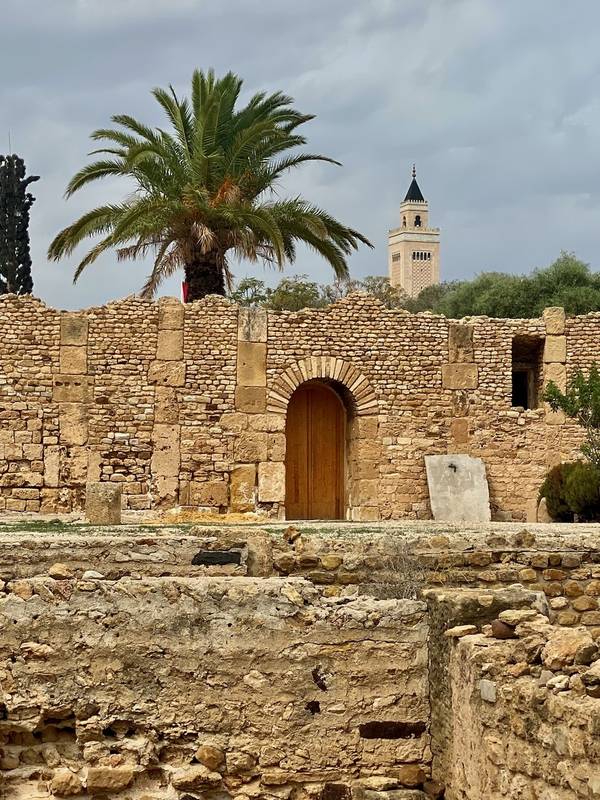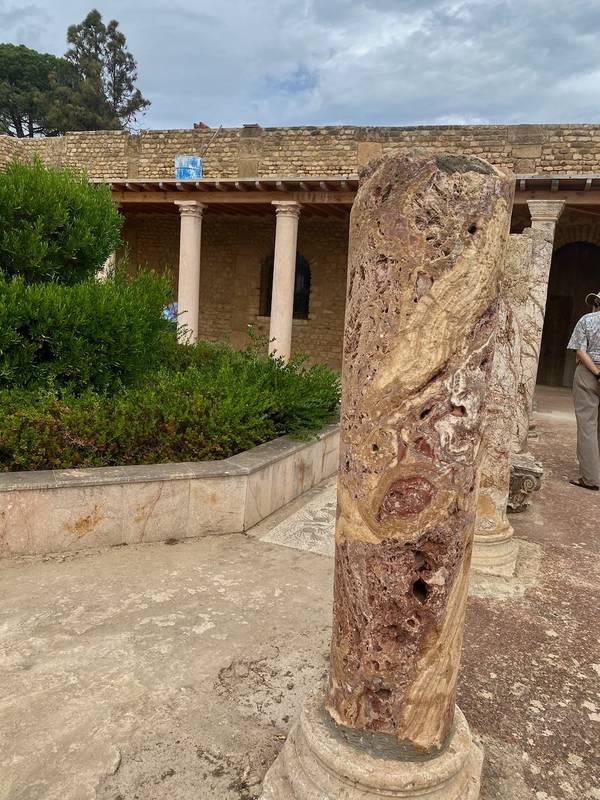
Walking amidst the scattered Roman ruins where ancient Carthage once stood, gave me the tactile context to better imagine what this mighty city of antiquity once was – a bustling metropolis of diverse cultures, as well as a global powerhouse, sending its fleets for trade and warfare across the Mediterranean. At one time, Carthage was one of the most important trading hubs of the Ancient Mediterranean, one of the most affluent cities of the classical world, and was the first republic in world history
Carthage, a great city of antiquity on the north coast of Africa, now is a residential suburb of Tunis,Tunisia. Built on a promontory on the Tunisian coast, it was placed to influence and control ships passing between Sicily and the North African coast as they traversed the Mediterranean Sea. Rapidly, it became a thriving port and trade center and eventually developed into a major Mediterranean power and a rival to Rome. The archaeological site of Carthage was added to UNESCO’s World Heritage List in 1979.
As Rome looked to expand their empire, Carthage became an obstacle, and over a period of 120 years (264 AD to 146 B.C.) the three Punic Wars, during which Hannibal’s army made its now famous Alps crossing on elephants, resulted in Rome as victor.
Following the destruction of Carthage and its libraries and records in 146 BC, the Romans rebuilt a new one of their own on its site, which lasted for almost another 500 years. As is the case of most civilizations who have been ravaged and conquered by a constant stream of invading marauders, the most recent conqueror prevails and thus, pro-Roman records are practically the only ones that survived. Carthage was eventually relegated as a granary for the empire.
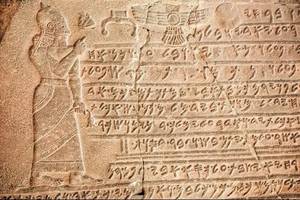
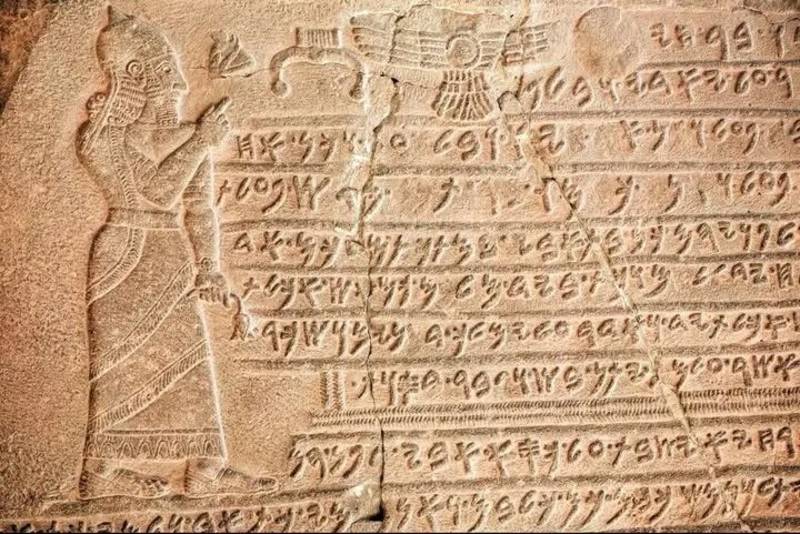
3,000 years ago, the Phoenicians invented one of the greatest technologies of all time, the alphabetic script. As Phoenician (ancient Lebanon) merchants expanded their trade networks across the Mediterranean, they established Carthage around the 9th century BCE and brought their new system of communication with them.
Follow along to the next post for a glimpse of Carthage today.
Posted June 12, 2026

My travel companions in Tunisia.
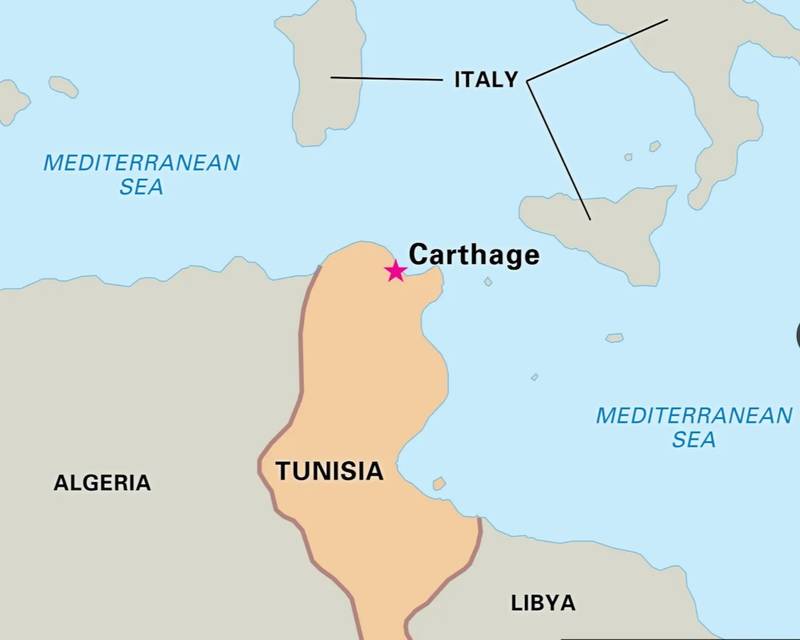
The strategic location of Carthage that enabled control of trade on the Mediterranean, but also made it vulnerable to invaders.

the most highly populated city (700K) in the world.

Carthage is the exclusive diplomatic hub of Tunisia and the location of the Presidential Palace that stands guard over ancient ruins.
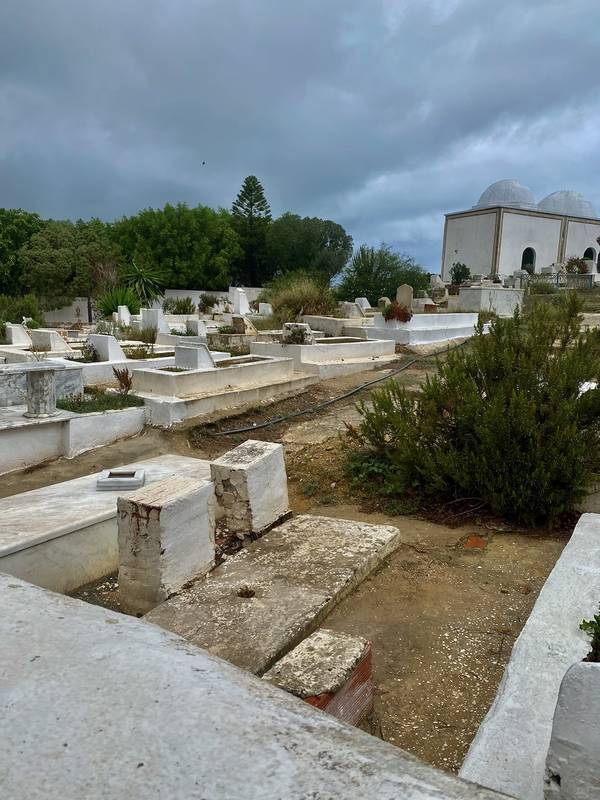


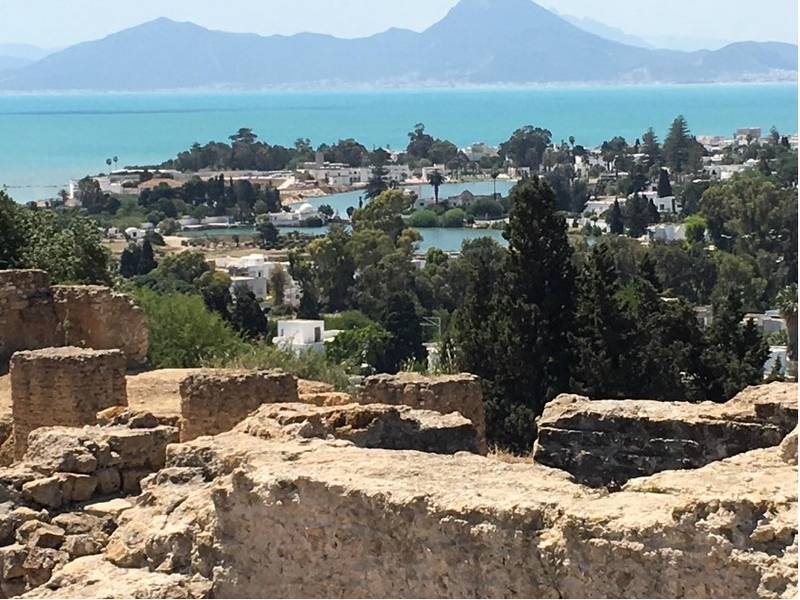
Ancient ruins everywhere, with the breathtaking view of the Mediterranean in the distance.

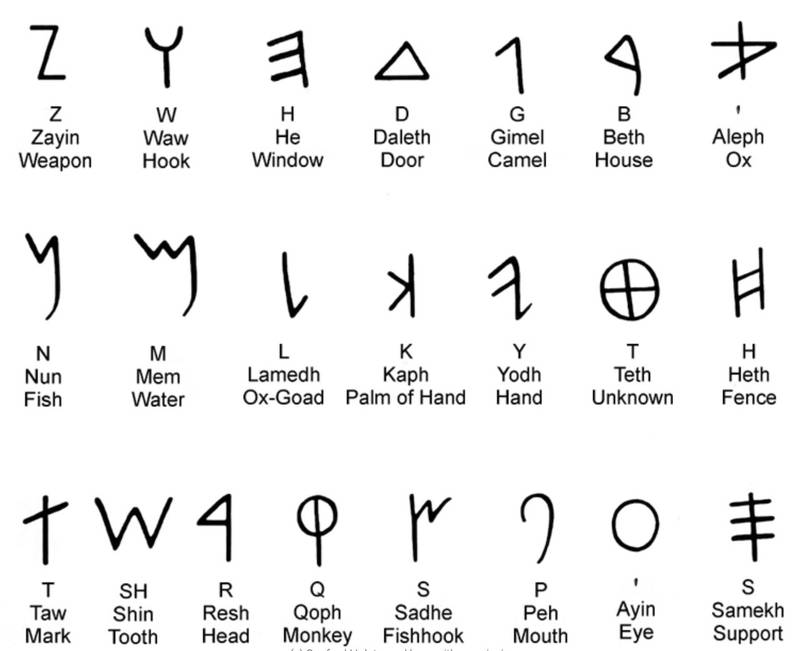
The Carthaginian alphabet consists of 22 consonantal letters (no vowels), each symbolizing a concept that was crucial to the Carthaginian way of life. The order of these letters suggests a deliberate arrangement, beginning with the most fundamental human needs and advancing through increasingly complex aspects of society and spiritually.
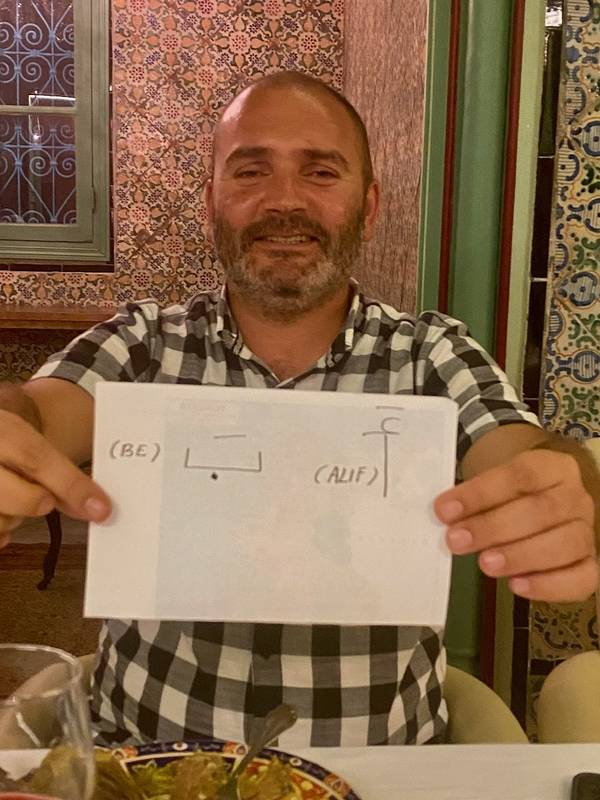
1 Aleph – Ox: The first letter, Aleph, represents an ox, a symbol of agriculture. This is fitting, as agriculture was the foundation of ancient Carthaginian society, providing sustenance and stability. Starting with Aleph emphasizes the importance of food as the most basic human need.

2 Bet – House: Bet, meaning house, follows Aleph. This progression from agriculture to shelter reflects the logical sequence of securing a place to live after securing food. The house is a symbol of protection and family, essential elements in the growth of a community.
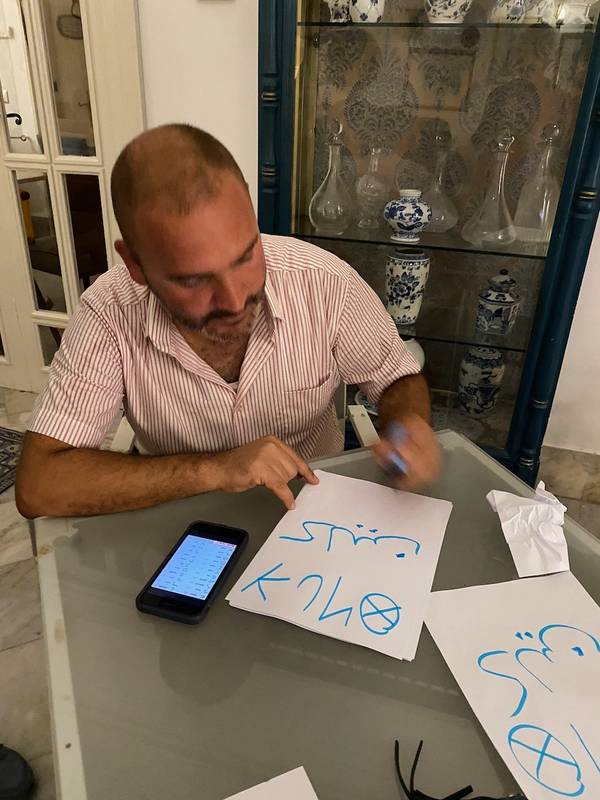
Our guide, Monaam, wrote all of our names in Carthaginian script.

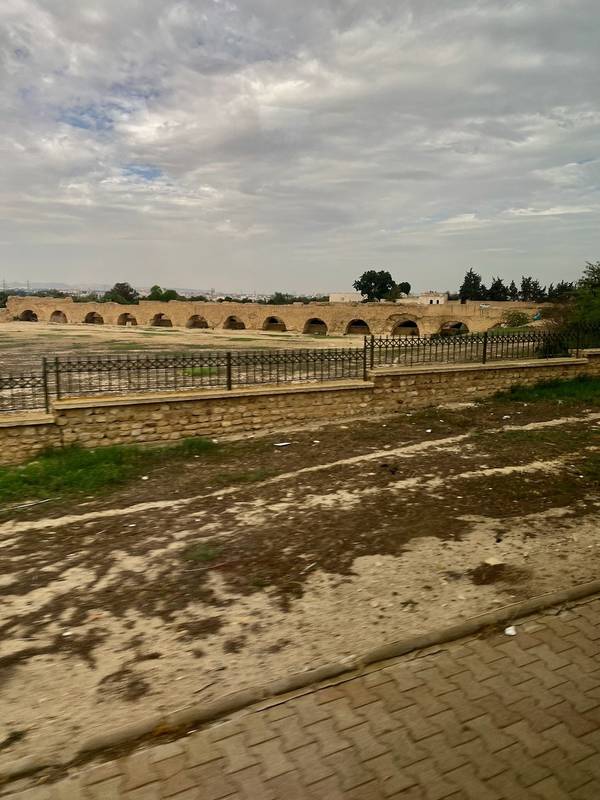
Carthage had the longest aqueduct in the world.

Always astounded by Roman engineering and innovation.